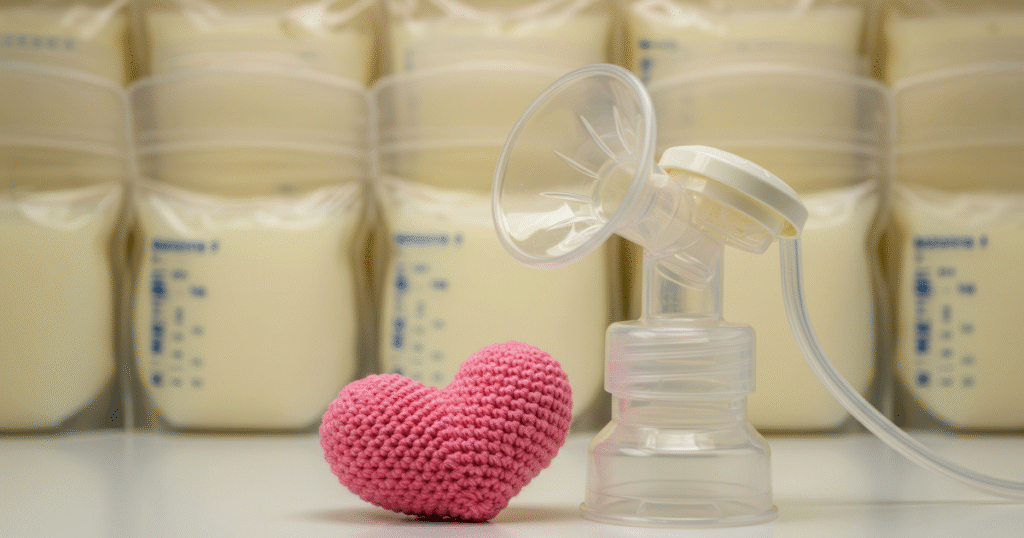
Breast milk donation is a deeply compassionate act that allows mothers to support babies beyond their own. For many newborns—especially those born prematurely, with low birth weight, or facing medical challenges—access to human milk can be life-saving. When a mother produces more milk than her baby needs, she has the opportunity to donate this excess to help nourish other infants who may not have access to their mother’s milk.
The process of donating breast milk is carefully designed to ensure safety and quality at every step. It usually begins with a simple registration, where the donor shares basic health information and undergoes a screening process. This may include medical history checks and, in some cases, blood tests to ensure that the milk is safe for vulnerable babies. Once approved, mothers can express milk at home using clean and hygienic methods, store it properly, and then send it to a certified milk bank or collection center.
At the milk bank, the donated milk goes through pasteurization—a process that eliminates harmful bacteria while preserving essential nutrients. It is then tested, stored under strict conditions, and distributed to hospitals or families in need. Every drop is handled with care, ensuring that it provides maximum benefit to the infants who rely on it.
Beyond the medical benefits, breast milk donation creates a powerful sense of community and connection. It allows one mother’s kindness to directly impact another family’s life, offering hope and nourishment during challenging times. By choosing to donate, mothers become part of a meaningful network of support that helps give newborns the healthiest possible start in life.